


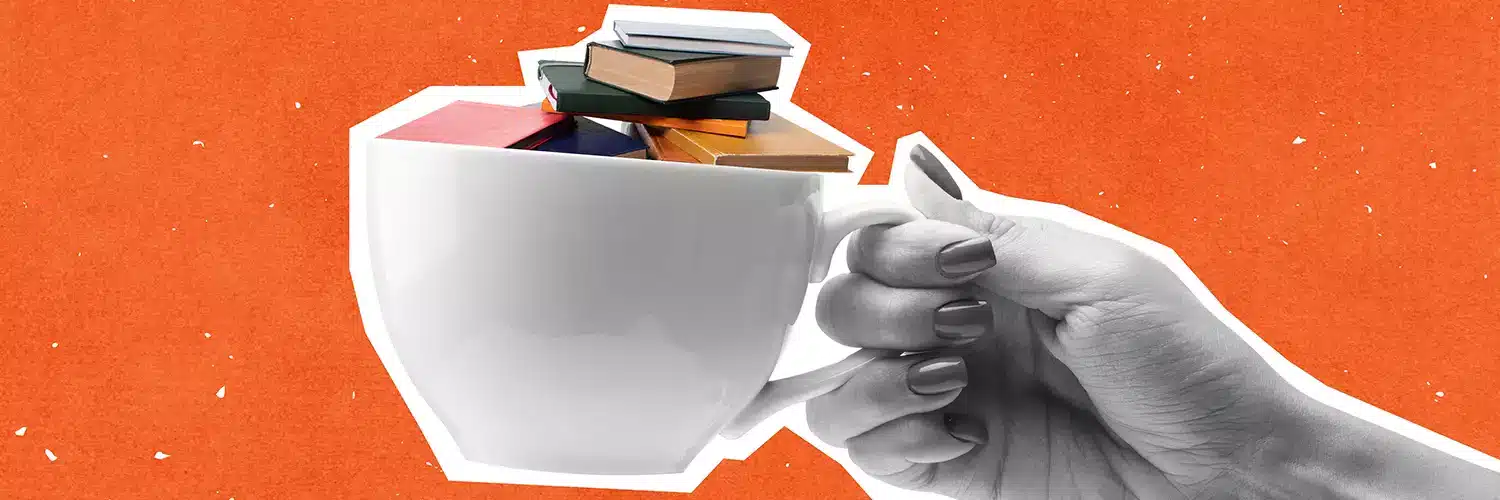

define rumination is a phrase people type when they want a clear, practical explanation of a tricky mental habit. It sounds clinical, but the word appears in everyday conversations, therapy sessions, and research papers.
Table of Contents
What Does define rumination Mean?
The phrase define rumination asks for the meaning of rumination, a form of repetitive thinking that loops over the same thoughts, usually about problems, mistakes, or distressing feelings. In psychology, rumination describes when someone mentally chews over negative thoughts without moving toward a solution.
Not all repetitive thought is harmful. Sometimes going over details helps you correct an error. Rumination, strictly speaking, tends to be unproductive and emotionally draining.
Etymology and Origin of define rumination
The verb ruminate comes from Latin ruminare, which literally meant to chew the cud, like a cow. That physical image migrated into English metaphors for thinking: to chew over an idea. By the 19th century, writers used ruminate to mean thoughtful, reflective consideration.
The psychological sense, where rumination denotes repetitive, negative thinking, grew in prominence in the late 20th century as clinical researchers linked it to depression and anxiety. For a basic dictionary take, see Merriam-Webster on rumination.
How define rumination Is Used in Everyday Language
People say ‘ruminate’ in casual speech and in therapy, but the tone and implication change with context. A writer might say they ruminated on a theme, meaning deep reflection. A therapist saying a client ruminates usually signals a repetitive, upsetting loop of thoughts.
“She ruminated all night about the argument and could not sleep.”
“I try not to ruminate over emails I send; I learned the hard way to let things go.”
“The study found that people who ruminate after failure take longer to recover emotionally.”
Those examples show the range: personal reflection, unhelpful brooding, and a research observation linking rumination to slower mood recovery.
Rumination in Different Contexts
In literature, rumination often reads as contemplative, even poetic. Think of a narrator reflecting on past choices. The word can carry a noble patience in that setting.
In clinical writing, rumination is a risk factor. Psychologists study ruminative patterns because they can maintain or worsen depression, and they can predict relapse. See the Wikipedia overview for a deeper look at psychological rumination: Rumination (psychology).
In biology, rumination keeps its older, literal meaning about cud-chewing animals. Context is everything.
Common Misconceptions About Rumination
One myth is that all repetition of thought is rumination. Not true. Problem-solving involves revisiting a problem with the goal of finding a solution. Rumination loops without progress.
Another misconception is that rumination is simply sadness. It often includes sadness, but it also includes anxiety, anger, shame, and regret. These emotions get replayed, magnified, and often feel uncontrollable.
Related Words and Phrases
Ruminate relates to reflection, brooding, obsession, and perseveration. Reflection tends to be neutral or positive. Brooding carries a heavier, negative connotation. Perseveration comes from neuropsychology, where repeated responses occur due to brain injury or disorder.
If you search ‘define rumination’ you might also encounter ‘ruminative thinking’, ‘negative thinking cycle’, and ‘intrusive thoughts’. Clinicians sometimes focus on specific types: depressive rumination and anxious rumination.
Why define rumination Matters in 2026
Mental health conversations are louder now than a decade ago, and that makes precise language more important. When people ask to define rumination they are often trying to tell whether what they feel is normal reflection or a pattern that needs help.
New research continues to tie rumination to conditions like depression and PTSD, and treatments that reduce rumination, such as cognitive behavioral therapy and mindfulness, are getting more attention. For an accessible clinical perspective, read this American Psychological Association piece on rumination and mood: APA: Rumination.
Closing
So, when you ask someone to define rumination you are asking for a distinction between productive thought and a repetitive, often harmful mental loop. The image of chewing the cud captures it: the thought keeps coming back, and you are left exhausted instead of clearer.
If you want practical steps, start by noticing the pattern, scheduling a short ‘worry time’, and experimenting with problem-solving or grounding exercises. If rumination is severe and persistent, consider reaching out to a professional.
For related entries, see rumination meaning, ruminative thinking, and mental health terms on AZDictionary.