

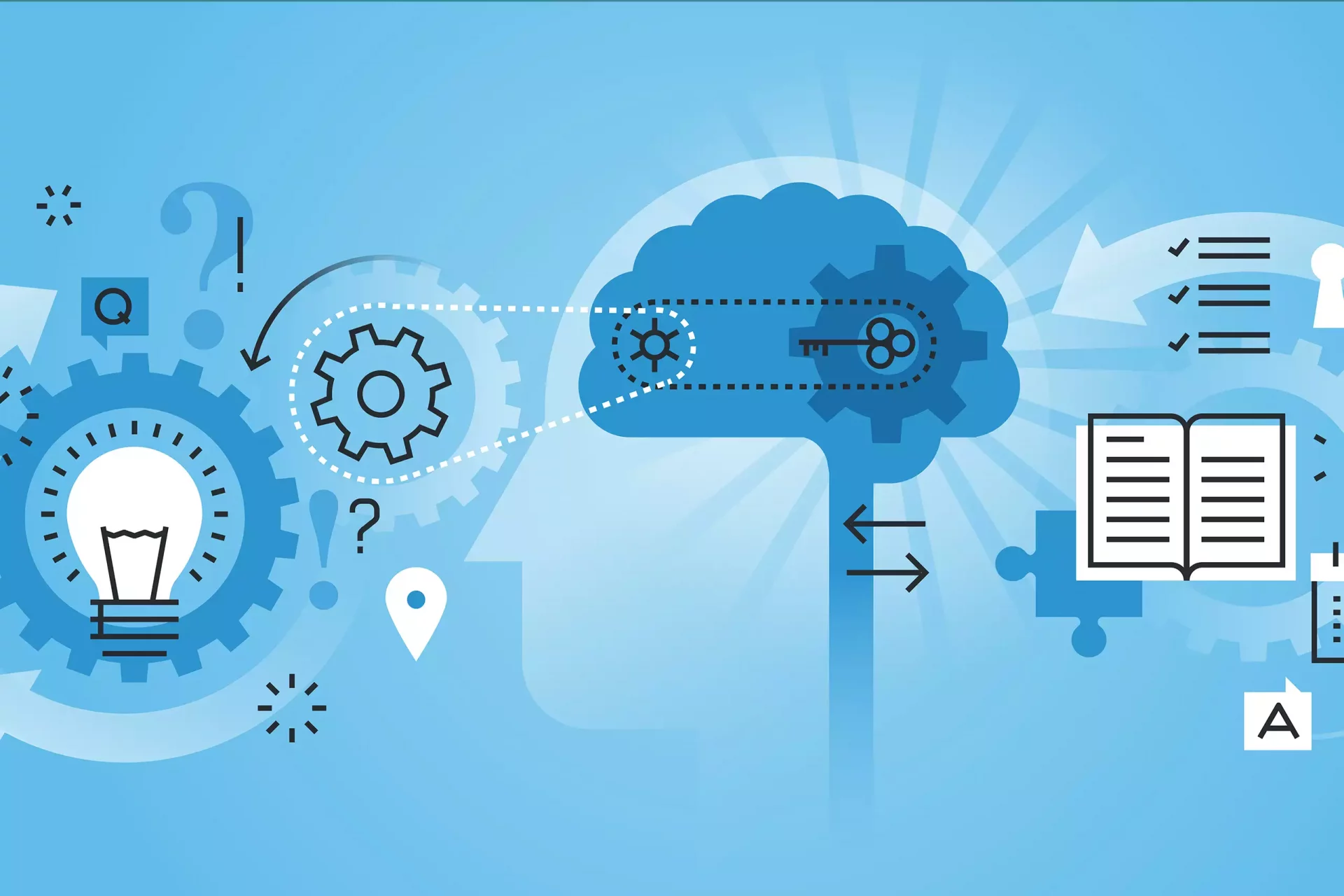

Neuroplasticity definition is a fundamental concept in neuroscience that refers to the brain’s remarkable ability to reorganize itself by forming new neural connections throughout life. This dynamic process allows our brains to adapt in response to learning, experience, and even injury, paving the way for recovery and growth. Understanding neuroplasticity definition provides insights into how the brain remains flexible and capable of change at any age, breaking the old myth that the adult brain is fixed and unchangeable.
What is Neuroplasticity? Understanding the Neuroplasticity Definition
The term neuroplasticity comes from “neuro” meaning nerves or neurons, and “plasticity,” which signifies malleability or flexibility. Simply put, neuroplasticity definition describes the brain’s ability to change its structure and function in response to various stimuli or damage.
Key Aspects of Neuroplasticity
- Synaptic Plasticity: Changes in the strength of connections between neurons.
- Structural Plasticity: Formation of new neurons or alterations in dendrites and axons.
- Functional Plasticity: The brain’s ability to move functions from damaged areas to healthy ones.
Through these mechanisms, the brain continually refines and reshapes its networks to improve performance, learn new skills, and recover lost functions.
Why is Neuroplasticity Important?
Understanding the neuroplasticity definition is crucial because it underlies many processes, including:
- Learning and memory formation
- Skill acquisition
- Emotional regulation
- Recovery from brain injuries
- Adaptation to sensory changes
The brain’s capacity to change means that therapies and interventions can harness neuroplasticity to improve cognitive function and rehabilitation outcomes.
Neuroplasticity Across the Lifespan
For many years, scientists believed neuroplasticity was limited to childhood. However, recent research emphasizes that neuroplasticity definition applies at all stages of life. While the young brain is especially adaptable, adults also retain a robust potential for neural change through learning, mental exercises, and environmental interactions.
How Does Neuroplasticity Work?
At the cellular level, neuroplasticity operates through several processes:
- Hebbian Learning: Often summarized as “cells that fire together, wire together,” this process strengthens synaptic connections when neurons activate simultaneously.
- Long-Term Potentiation (LTP): A long-lasting increase in signal transmission between two neurons.
- Neurogenesis: The creation of new neurons in specific brain regions like the hippocampus.
- Synaptic Pruning: The elimination of weaker synaptic contacts to enhance neural network efficiency.
These mechanisms work together to help the brain optimize its performance continually.
Applications of Neuroplasticity
The concept of neuroplasticity has led to advances in:
- Stroke Rehabilitation: Using targeted therapy to rewire brain areas and restore motor functions.
- Learning Enhancements: Developing educational strategies that promote brain adaptability.
- Mental Health Treatments: Addressing disorders like PTSD and depression through therapies that encourage positive neural changes.
- Brain-Computer Interfaces: Creating technologies that tap into neuroplasticity to restore sensory or motor functions.
Conclusion: Embracing the Power of Neuroplasticity Definition
Neuroplasticity definition encapsulates one of the most inspiring features of the human brain — its continual ability to adapt, learn, and heal. Whether you are recovering from injury, seeking to acquire new skills, or simply curious about the brain’s capabilities, understanding neuroplasticity opens the door to unlocking your mind’s full potential. By nurturing and stimulating this incredible ability, we can foster growth, resilience, and well-being throughout life.